
How to Increase Your Credit Score Quickly
Your credit score isn't just a number—it's your financial passport. Whether you're planning a major purchase or simply want better loan terms, understanding rapid score improvement strategies can save thousands in interest payments. Many people believe fixing damaged credit takes years, but that's not always true.
The right approach can boost your score by 50-100 points within months. This comprehensive breakdown reveals actionable tactics that work fast, backed by proven methods financial experts recommend. Let's dive into strategies that deliver measurable results without gimmicks or false promises.
Payment History Optimization Techniques
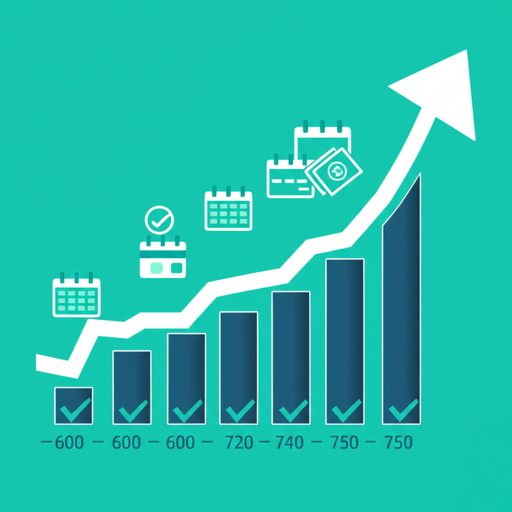
Payment history accounts for roughly 35% of your overall score calculation, making it the single most influential factor. Missing even one payment can drop your score by 90-110 points, while consistent on-time payments build solid credibility over time.
Automated Payment Systems
Setting up automatic payments eliminates human error from teh equation. Link your bank account to credit obligations so minimum payments process before due dates. This simple step prevents costly late fees and protects your payment record. Consider scheduling payments 2-3 days early to account for processing delays—banks don't always process transactions instantly, especially on weekends.
Strategic Catch-Up Plans
If you're behind on payments, contact creditors immediately. Many lenders offer hardship programs that temporarily reduce payments without reporting delinquency. Negotiating a goodwill adjustment after catching up can sometimes remove past late payment marks. Don't wait—the longer accounts stay delinquent, the harder recovery becomes and the more damage accumulates on your report.
Utilization Ratio Management
Credit utilization—the percentage of available credit you're using—impacts about 30% of your score. Experts recommend keeping utilization below 30%, but top scorers often maintain ratios under 10%. High utilization signals financial stress to lenders, even when you pay balances monthly.
Multiple Payment Cycles
Here's a trick most people don't know: you can make multiple payments throughout the month rather than waiting for your statement date. Credit bureaus typically receive data on your statement closing date, so paying down balances before that snapshot occurs lowers your reported utilization. If your statement closes on the 15th, make a payment on the 10th to reduce the balance creditors report.
Credit Limit Increases
Requesting higher credit limits instantly improves your utilization ratio without changing spending habits. If you have $5,000 in debt across $10,000 in total limits, that's 50% utilization. Increase your limits to $20,000, and suddenly you're at 25% utilization—without paying down a single dollar. Call your card issuers every 6-12 months to request increases, especially after income raises or consistent payment history.
Account Diversity Building
Credit mix contributes approximately 10% to your score calculation. Lenders want to see you can manage different account types responsibly—revolving credit like cards alongside installment loans such as mortgages or auto loans.
Secured Card Strategies
If your credit is damaged, secured cards offer a rebuilding pathway. You deposit money as collateral, then use the card like any other. Many issuers graduate you to unsecured cards after 12-18 months of responsible use. Choose cards that report to all three major bureaus—Experian, TransUnion, and Equifax—to maximize impact across your entire profile.
Credit-Builder Loan Programs
These specialized products hold borrowed money in a locked account while you make payments. Once paid off, you receive the funds plus your improved payment history. Credit unions and community banks often offer these at reasonable rates. They're particularly effective because they add an installment account to your mix while demonstrating payment reliability simultaneously.
Error Dispute Resolution
Studies suggest that roughly 20% of credit reports contain errors significant enough to affect scores. Disputing inaccuracies can produce quick improvements—sometimes within 30-45 days after bureaus complete investigations.
Report Review Process
Request free annual reports from AnnualCreditReport.com, the only federally authorized source. Review every section carefully: personal information, account details, payment histories, and public records. Look for accounts you didn't open, incorrect balances, duplicate entries, or payments marked late when you paid on time. Even small errors like wrong credit limits artificially inflate your utilization ratio.
Formal Dispute Procedures
File disputes directly through bureau websites or certified mail. Provide supporting documentation like bank statements, payment confirmations, or identity theft reports. Bureaus must investigate within 30 days and remove unverifiable information. Don't dispute accurate negative items—that wastes time and won't work. Focus energy on legitimate errors that damage your score unfairly.
Rapid Score Boosting Methods
Beyond traditional strategies, several newer approaches can accelerate improvement timelines when used correctly alongside fundamental practices.
Authorized User Additions
Being added as an authorized user on someone else's account with excellent payment history and low utilization can boost your score quickly. Their positive history often appears on your report within 30-60 days. Choose accounts at least several years old with perfect payment records. This works best when the primary cardholder maintains low balances and never misses payments.
Rapid Rescore Services
When applying for mortgages, loan officers can request rapid rescores after you make significant changes like paying down balances. This service updates your credit report within 3-5 business days instead of waiting for the next reporting cycle. It costs money but proves valuable when you're close to qualifying for better rates. Ask your mortgage lender whether they offer this option before major applications.
Conclusion: Improving your credit score quickly requires strategic action across multiple fronts—optimizing payment timing, managing utilization ratios, diversifying account types, and disputing errors. Don't expect overnight miracles, but combining these proven methods typically produces visible results within 60-90 days. Start with high-impact changes like reducing utilization and ensuring perfect payment history moving forward. Your financial future depends on the actions you take today.