
How Long Does It Take to Build Credit
Building a solid credit history doesn't happen overnight. Whether you're starting from scratch or rebuilding after financial setbacks, understanding the timeline helps set realistic expectations. Most people wonder about the exact timeframe needed to establish creditworthiness.
The journey typically takes anywhere between three to six months to generate your first score, but achieving excellent standing requires years of consistent financial behavior. Let's explore the realistic timelines, strategic approaches, and key milestones that'll shape your financial future.
Establishing Your First Score
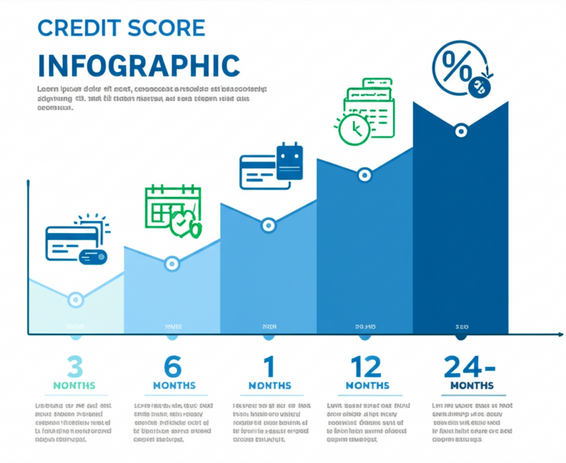
When you're brand new to the world of borrowing, patience becomes your greatest ally. Credit bureaus need sufficient data before they can calculate a score, and this process follows specific timeframes that most newcomers don't anticipate.
Initial Reporting Period Requirements
Your first score won't appear until you've had at least one account open for six months, though some bureaus might generate a score after just three months of activity. This waiting period allows lenders to report your payment behavior consistently. Opening a secured card or becoming an authorized user on someone else's account can jumpstart this process. The key here isn't rushing—it's establishing a foundation of responsible habits right from teh start.
Account Age Thresholds
Beyond just having an open account, the age of your oldest tradeline significantly impacts your profile. Lenders want to see sustained responsibility over time, not just a few months of good behavior. During these early months, focus on keeping balances low and making payments before due dates. Even small positive actions compound into meaningful results as your file matures and gains depth.
Payment History Development Stages
Your payment track record comprises roughly 35% of your overall score calculation—making it the single most influential factor. But establishing a strong pattern requires consistent effort across different timeframes that many people underestimate.
Short-Term Milestones (3-12 Months)
During your first year, every on-time payment strengthens your profile incrementally. Missing even one payment can set you back significantly, especially when your file contains limited data. Set up automatic payments to avoid accidental late submissions. Many people see their scores climb 30-50 points during this phase simply by maintaining perfect payment records. Remember: consistency beats perfection in occasional large payments.
Long-Term Patterns (1-3 Years)
After your first year, your payment history begins showing predictable patterns that lenders trust. Accounts that remain current for 24+ months demonstrate genuine financial reliability. During this stage, negative items lose their impact gradually, while positive behavior accumulates weight. Most borrowers reach the "good" range (670-739) within 18-24 months of responsible management, assuming they started with no derogatory marks.
Utilization Ratio Optimization
How much of your available limits you actually use—known as utilization—accounts for about 30% of your score. This factor responds quickly to changes, making it a powerful lever for improvement.
Immediate Impact Strategies
Unlike account age, utilization adjustments can boost your score within 30-60 days. Paying down balances below 30% of your limits triggers positive recalculations when lenders report updated figures. Ever wonder why some people see sudden jumps? They've mastered the timing of payments relative to statement closing dates. Keeping utilization under 10% often separates good scores from excellent ones (740+).
Multiple Account Benefits
Having several accounts with low utilization beats having one maxed-out card, even if the total debt remains identical. Spread your spending across different tradelines while keeping each one's usage minimal. This strategy demonstrates you can manage multiple responsibilities simultaneously—a trait lenders value highly. Just don't open too many accounts rapidly, as that triggers different concerns altogether.
Mix and Inquiries Influence
The types of accounts you hold and how often you apply for new ones round out the remaining scoring factors. While less impactful than payment history or utilization, these elements still matter considerably.
Account Diversity Timeline
Adding different account types—installment loans, revolving cards, retail accounts—can improve your profile over 12-24 months. Lenders prefer seeing that you've successfully managed various financial products. However, don't take on debt just to diversify. Natural progression works better than forced variety. A car loan combined with a couple of cards provides sufficient mix for most scoring models.
Inquiry Recovery Periods
Hard inquiries from applications remain visible for 24 months but only affect your score for 12 months. Their impact diminishes after six months, and multiple inquiries within 14-45 days (depending on scoring model) count as a single event when rate shopping. Space out applications by at least six months to minimize cumulative effects. Recent inquiries signal risk to lenders, so strategic timing prevents unnecessary point deductions.
Realistic Score Progression Benchmarks
Setting achievable goals helps maintain motivation throughout your journey. Here's what typical progression looks like under ideal circumstances—though individual results vary based on starting points and financial behaviors.
Year One Expectations
Starting from zero, expect to reach 620-660 range after 12 months of perfect behavior. This assumes one or two accounts kept current with low utilization. Those recovering from past mistakes might progress slower, as negative items continue exerting influence. Patience during this phase prevents desperate decisions that could backfire later.
Two to Three Year Outlook
By month 24-36, scores typically climb into the 680-720 range for those maintaining excellent habits. Some reach 750+ if they've diversified their accounts and avoided any missteps. Remember that each person's situation differs—previous bankruptcies or collections extend these timelines considerably. The good news? Negative items hurt less as positive history accumulates and older derogatory marks age off your report.
Conclusion
Building credit demands both patience and strategy, with initial scores appearing around three to six months and excellent ratings developing over two to three years. Your payment consistency, utilization management, and account diversity all contribute to this timeline. Focus on sustainable habits rather than quick fixes—your future self will thank you. Start today, stay consistent, and watch your financial opportunities expand steadily.